Damage does not knock politely.
It kicks the door in.
One day your home is calm. The next, water is creeping across the floor, smoke is clinging to the walls, or the roof looks like it just survived a fight with the sky. You are not thinking about strategy. You are thinking about survival, repairs, and how fast you can get things back to normal.
Then the insurance company enters the scene.
They sound helpful. Organized. Professional. But behind that calm tone is a system designed to protect their money, not yours.
Most people assume the process will be fair. That if they explain the situation clearly and provide some photos, everything will work out.
That assumption quietly costs thousands.
This is where a public adjuster changes the entire outcome.
Here are six moments when bringing one in is not just smart, it is the difference between getting by and actually recovering.
1. After Major Property Damage
Some damage is small. A leak under the sink. A minor repair.
That is not what we are talking about here.
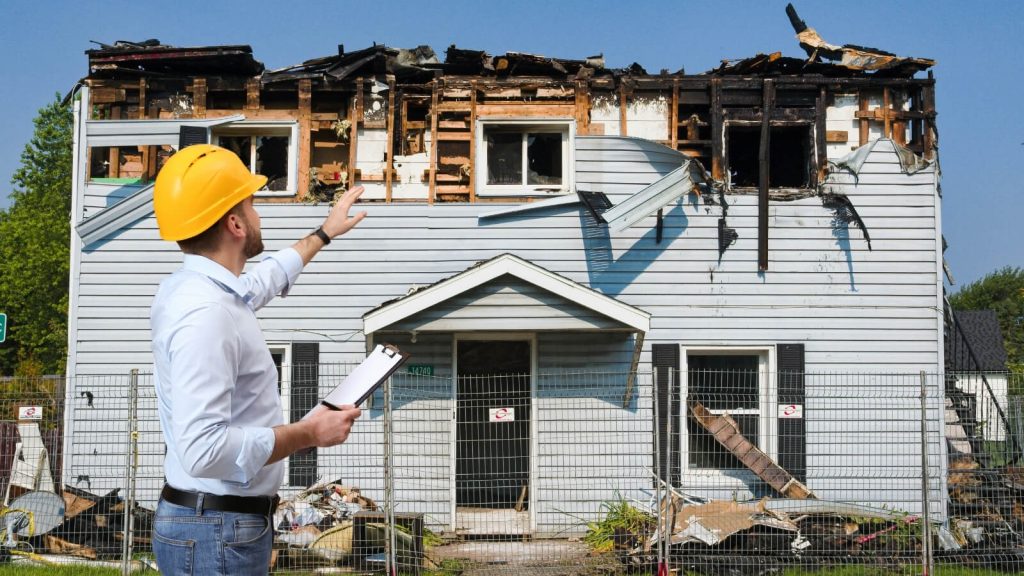
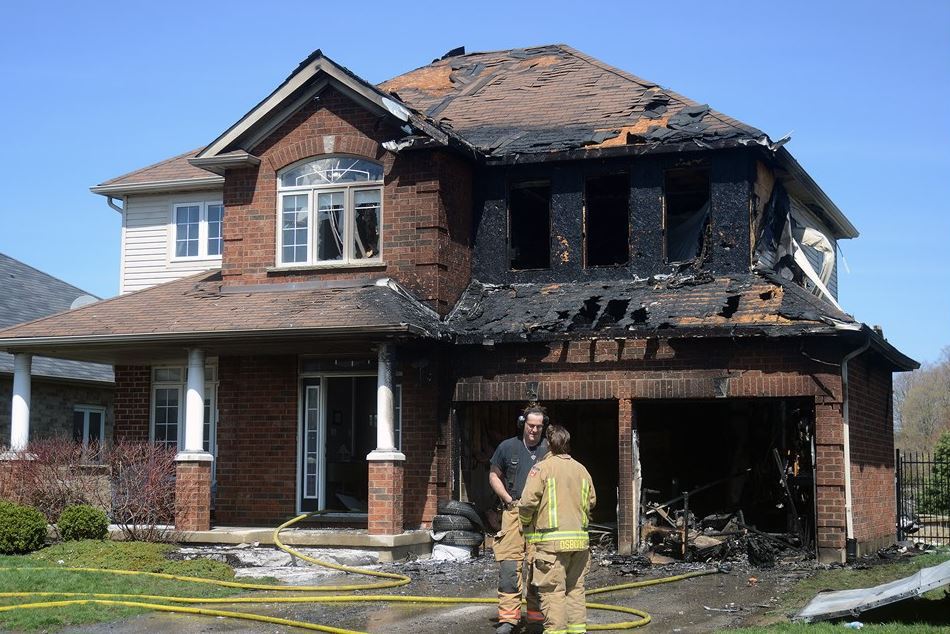
We are talking about flooded floors, fire damage, storm destruction, or mold spreading behind walls. Situations where the structure of the home or business is affected and the cost of repair climbs fast.
In these cases, your claim is no longer simple.
Insurance companies do not just look at visible damage. They evaluate scope, depreciation, materials, labor, and future risk. If anything is missed or underestimated early, it echoes through the entire claim.
A public adjuster does not just look at what is obvious. They go deeper.
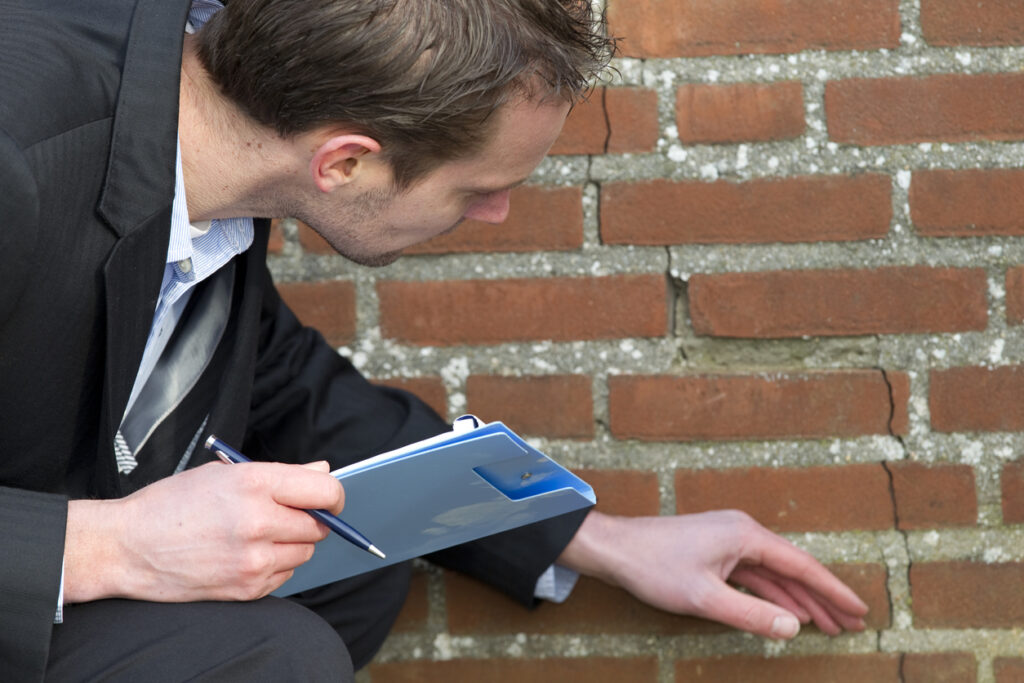
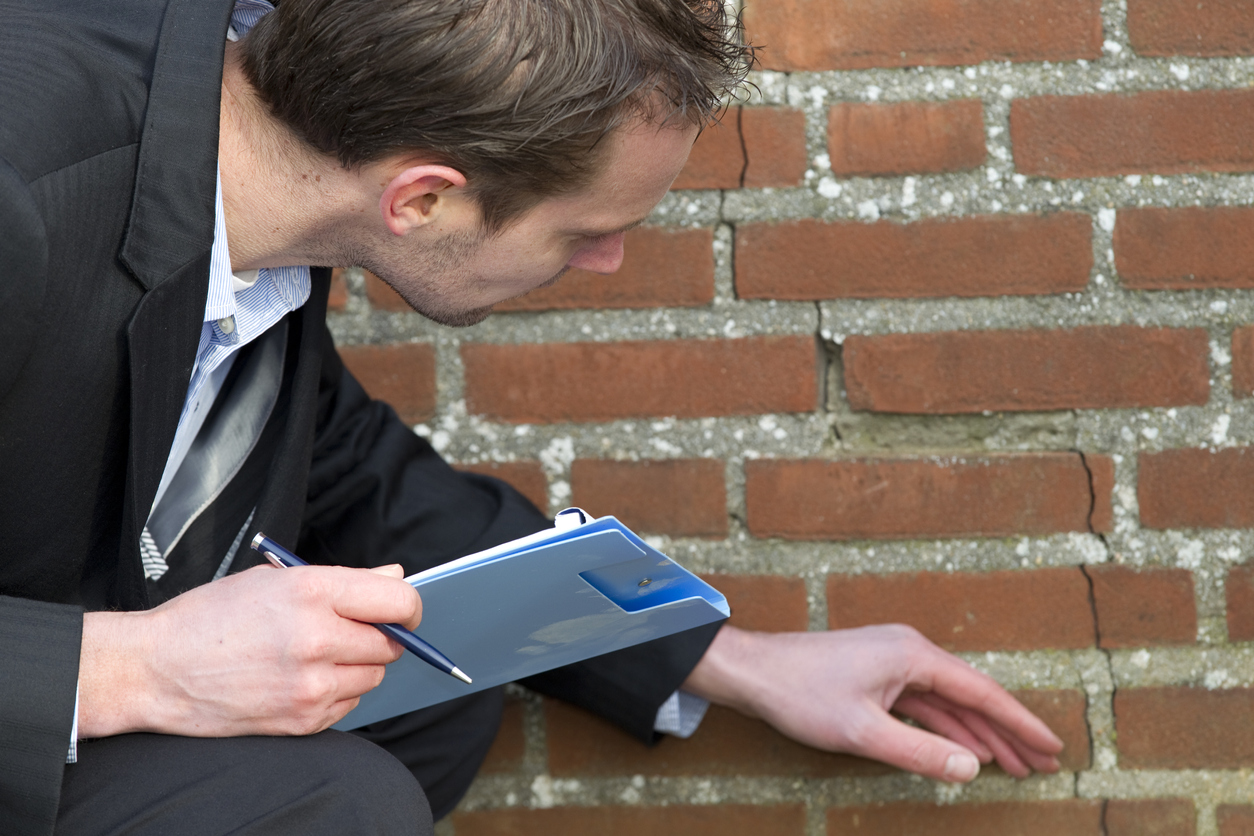
They document hidden moisture, structural concerns, air quality issues, and secondary damage that most people would never think to include. They build a claim that reflects reality, not just what is easy to see in a quick inspection.
Because once a claim is submitted and accepted, it becomes much harder to go back and say something was missed.
2. When You Do Not Understand Your Policy
Insurance policies are written in a language that feels almost intentional in its complexity.
Pages of conditions. Exceptions layered inside other exceptions. Coverage limits that only apply in certain scenarios.
Most homeowners skim it. Some never read it at all.
That becomes a problem the moment you file a claim.
You might assume something is covered when it is not. Or worse, assume something is not covered when it actually is, and never push for it.
A public adjuster reads the policy with a different mindset.
They are not looking for reasons to deny coverage. They are looking for every possible angle that supports your claim. They understand how to interpret the language in a way that works in your favor.
That alone can change the payout more than any single repair estimate ever could.
3. If Your Claim Starts Dragging Out
Time has a strange way of stretching during a claim.
A few days turns into a week. A week turns into a month. You keep hearing that your claim is under review, that someone will get back to you, that they are waiting on additional information.
Meanwhile, your property is still damaged.
Delays are not always accidental. Sometimes they are part of the process.
The longer things take, the more pressure builds on you to accept whatever offer eventually comes just to move on.
A public adjuster brings urgency into the situation.
They follow up. They push for answers. They keep the process moving instead of letting it stall in the background while your life stays on hold.
Speed alone is not the goal. Progress is.
4. When You Receive a Low Settlement Offer
This is the moment where reality hits.
You open the estimate or check and realize something is off. The numbers feel smaller than expected. Repairs cost more than what was offered. Certain items are missing completely.
It is not always obvious at first. Sometimes it looks reasonable until you start getting real quotes from contractors.
Then the gap becomes clear.
Insurance companies rely on standardized estimating methods, but those methods do not always reflect real world costs, especially in areas where labor and materials fluctuate.
A public adjuster reviews the entire estimate line by line.
They compare it to actual damage, real pricing, and industry standards. They identify what was undervalued, what was excluded, and what needs to be added.
Then they negotiate.
Not with emotion, but with documentation and evidence that is difficult to ignore.
5. If Your Claim Was Denied
A denial feels final.
It reads like a closed door. No coverage. No payment. No next step.
But a denial is often just a first decision, not the last one.
Claims get denied for many reasons. Incomplete documentation. Misinterpretation of the policy. Lack of detailed inspection. Sometimes even simple mistakes.
What matters is whether the denial is justified or just convenient.
A public adjuster reexamines everything.
They look at the original inspection, the documentation provided, and the reasoning behind the denial. Then they rebuild the claim properly, filling in gaps and correcting weaknesses.
Claims can be reopened.
And when they are handled correctly the second time, the outcome can be very different from the first.
6. Before You Even File the Claim
This is the part most people miss.
They wait until something goes wrong in the process before bringing in help.
By then, parts of the claim are already locked in.
Starting with a public adjuster changes the entire trajectory.
From the first inspection to the first document submitted, everything is done with intention. Nothing is rushed. Nothing is overlooked. Every detail is captured with the understanding that it may be questioned later.
It is like building a case before stepping into a negotiation instead of scrambling to fix it after mistakes have already been made.
This is where the biggest advantage lives.
Why This Matters More Than People Think
Insurance is not a charity. It is a business.
Every dollar paid out is a dollar lost from their side. That does not make them bad, it just means their incentives are different from yours.
They aim to settle claims efficiently and within their guidelines.
You aim to recover fully and restore your property without cutting corners.
Those goals do not always align.
A public adjuster exists in that gap.
They bring balance to a process that is otherwise tilted.
The Quiet Cost of Doing Nothing
Most people do not realize what they lost.
They accept the first offer. They patch things together. They move on.
Months later, new issues show up. Repairs cost more than expected. Something was never fully fixed.
At that point, the claim is closed.
And the opportunity to recover what was missed is gone.
That is the part nobody talks about.
Not the dramatic denial. Not the obvious mistake.
The quiet loss.
Final Thought
You do not need a public adjuster for every situation.
But when the damage is serious, the numbers are high, or the process starts to feel unclear, going through it alone is a gamble.
Insurance companies have professionals working on their side from the start.
Bringing someone onto yours is not overkill.
It is balance.
And in a process where small details can turn into large financial differences, balance is everything.